
When unwanted furniture, appliances, boxes, or household items begin taking up valuable space, junk removal can provide a practical way to clear them out. A junk removal service generally involves scheduling a pickup, identifying the items that need to be removed, receiving a price or service estimate, and having the items loaded and hauled away.
Understanding how the process works can help homeowners, renters, landlords, and businesses prepare for a scheduled pickup. It can also make it easier to know what information to provide when contacting a removal company.
From the initial request to the final hauling process, several steps are involved. Knowing what to expect can help customers organize their items, understand service arrangements, and prepare the property for an efficient removal appointment.
Scheduling the Removal Service
The process typically begins when a customer contacts a junk removal company to request service. The customer may provide information about the property, the general type of unwanted items, the amount of material involved, and the preferred pickup date.
Some companies may ask for photographs of the items before the appointment. Photos can help the company understand the approximate size and quantity of the materials that need to be removed.
During scheduling, customers should clearly describe the items they want taken away. Large furniture, appliances, yard debris, household clutter, and other materials may require different handling considerations.
The customer and company can also discuss access to the items. Information about stairs, narrow hallways, elevators, gates, parking limitations, or other access conditions may help the crew prepare appropriately.
Once the service details are established, the company can arrange a pickup time. Customers should keep the items accessible and make sure the crew can safely reach the removal area when the appointment begins.
Assessing the Items for Removal
Before the actual removal begins, the crew generally reviews the items that the customer wants removed. This step helps determine the amount of material involved and whether the items fall within the company’s accepted service categories.
The crew may inspect the size, quantity, and location of the items. A small collection of household objects may require a different amount of work than a large collection of furniture or bulky materials.
Pricing methods can vary between companies. Some services may consider factors such as the amount of space the items occupy in a truck, while others may use different pricing structures.
Customers can make the process easier by identifying everything they want removed before the crew arrives. Separating unwanted items from belongings that should remain on the property can reduce confusion during the appointment.
It is also useful to mention unusual or especially large items in advance. This gives the company an opportunity to determine whether additional preparation or equipment may be necessary for the job.
Loading and Removing the Items
After the items have been assessed and the service details confirmed, the removal crew begins loading the materials. The crew may move furniture, boxes, appliances, and other accepted items from their current locations to the vehicle.

The way items are moved depends on their size, weight, location, and access conditions. Large objects may require more than one person to move safely, particularly when they are located indoors or in difficult-to-access areas.
Customers should avoid attempting to move heavy objects themselves simply to prepare for the appointment. When appropriate, the removal crew can handle the lifting and transportation as part of the service.
Clear pathways can make the process easier. Removing small obstacles from walkways and providing access to doors, garages, yards, or other pickup areas can help the crew work efficiently.
Once the unwanted materials are loaded, the crew checks the pickup area for remaining items that were included in the service. The materials are then transported away from the property for the next stage of handling.
What Happens to the Removed Items?
After materials leave the property, their next destination can depend on their type, condition, local requirements, and the policies of the removal company. Some items may be suitable for reuse, recycling, donation, or other forms of processing.
For example, certain furniture or household goods that remain usable may have potential for reuse. Materials such as cardboard, metal, electronics, or other recyclable items may be handled through appropriate recycling channels when available.
Not everything collected can necessarily be recycled or donated. Some materials may require disposal because they are damaged, contaminated, or unsuitable for reuse.
Customers who care about how their unwanted belongings are handled can ask the company about its disposal, recycling, and donation practices before scheduling service. This can provide a clearer understanding of what happens after collection.
The final destination of an item should not be assumed simply because it is collected by a removal company. Policies vary, so customers should ask specific questions about the types of materials they are planning to have removed.
Preparing for a Junk Removal Appointment
Good preparation can make a removal appointment easier and more organized. Customers should first decide which belongings they no longer need and separate them from items that should stay on the property.
If the items are located inside a home, garage, office, or storage area, customers can make the access route as clear as reasonably possible. This can help the crew move larger objects without unnecessary obstacles.
Customers should also identify items that require special attention. Large furniture, heavy appliances, or materials located upstairs may be useful to mention when arranging the appointment.

For outdoor pickups, customers may want to ensure that the removal area is accessible. Gates should be available when necessary, and vehicles or other objects should not block the path to the materials.
Preparation does not necessarily mean moving heavy objects to the curb. Depending on the service arrangement, the crew may be responsible for removing items directly from their existing location.
Clear communication is one of the most useful parts of preparation. Providing accurate information about the items and property helps the company understand the job before arriving.
Understanding What Junk Removal May Not Accept
Not every unwanted material can be handled through a standard removal service. Companies often have restrictions concerning certain hazardous, regulated, or otherwise specialized materials.
Examples may include some chemicals, fuels, explosives, medical waste, or other materials that require specialized handling. Rules can also vary depending on local regulations and the individual company’s policies.
Customers should ask about restricted items before booking an appointment. Providing an accurate description of the materials can prevent problems on the day of service.
Electronic equipment, appliances, tires, mattresses, construction debris, and other specialized items may also have different handling requirements depending on the company and location. A company may accept some of these materials while another may have different policies.
How Long Does the Removal Process Take?
The length of a removal appointment depends on several factors. The quantity of material, size and weight of the items, property layout, accessibility, and distance between the items and the removal vehicle can all affect the amount of time required.
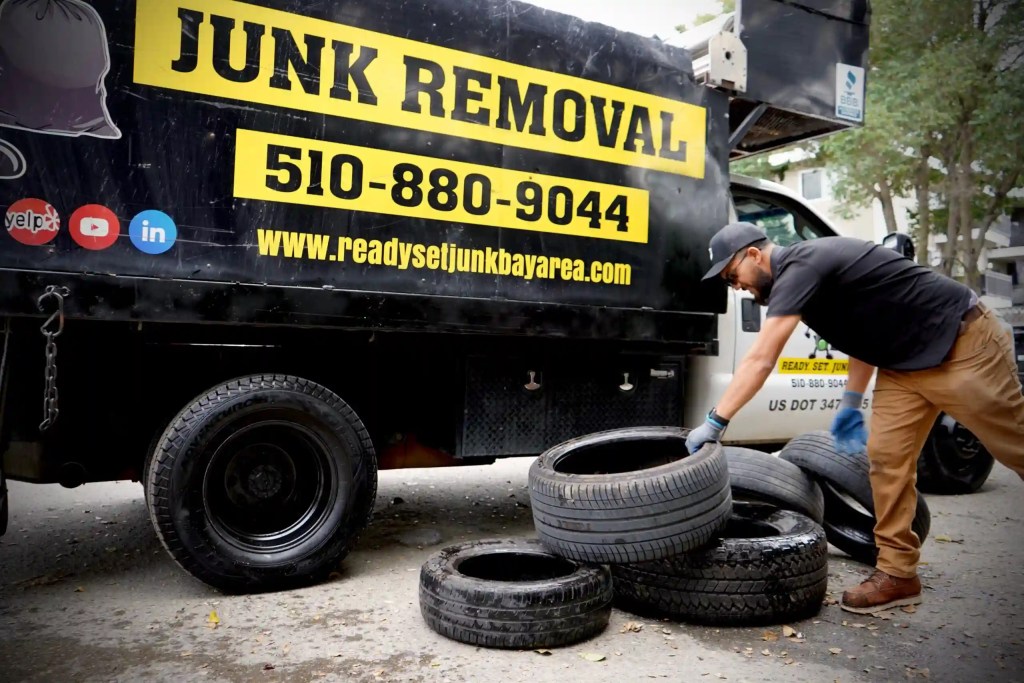
A small pickup involving easily accessible household items may take less time than a large property cleanout. Multiple rooms, stairs, narrow entrances, or heavy objects can add work to the process.
Customers can help the appointment move smoothly by having the items identified before the crew arrives. Clear communication about the quantity and location of materials can also help the company prepare.
There is no single timeframe that applies to every removal job. Customers should ask the company about the expected duration when scheduling, particularly if they have another appointment or property activity planned for the same day.
Choosing a Junk Removal Company
Selecting a removal company involves more than simply finding a service that collects unwanted items. Customers should consider whether the company serves their location and accepts the specific materials they need removed.
It is useful to ask about pricing before agreeing to the service. Customers can also ask whether labor, transportation, disposal, or other applicable charges are included in the quoted price.
Service policies are another important consideration. Customers should understand what happens if the amount of material is larger than originally described or if additional items need to be added during the appointment.
Conclusion
A junk removal service generally follows a straightforward process: scheduling the pickup, describing the items, assessing the materials, loading them, and transporting them for appropriate handling. Preparation and clear communication can help customers understand what to expect and make the appointment more organized.
Before scheduling, customers should confirm which items are accepted, ask about pricing, explain any difficult access conditions, and discuss how collected materials are handled. These steps can help prevent misunderstandings and ensure the service matches the customer’s needs.
For residents and businesses looking for junk removal in Hayward, Ready Set Junk Bay Area can be contacted to discuss removal needs and service arrangements. To learn more about available options or schedule a service, call +1 510-880-9044.

